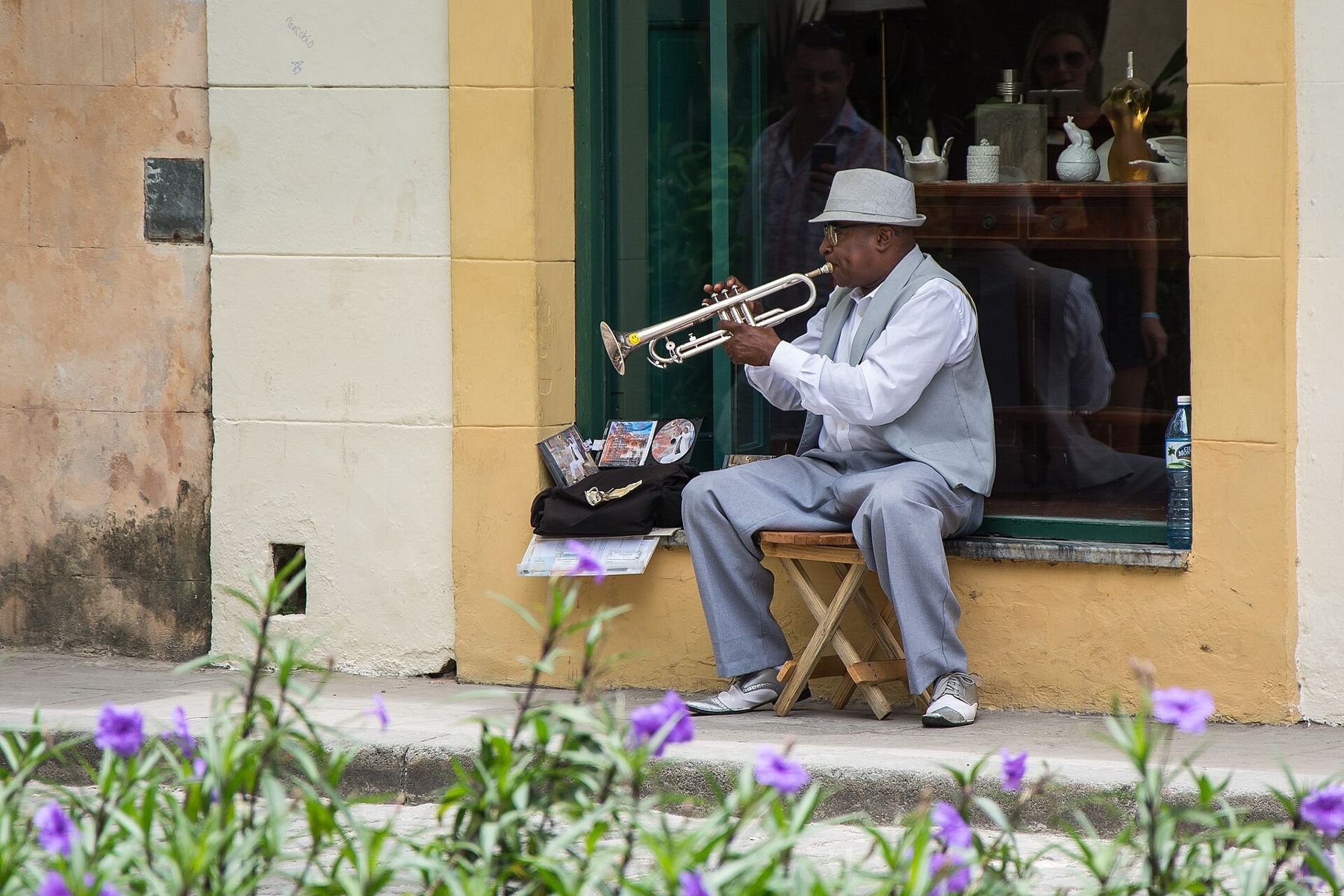
Walk through Habana Vieja on almost any afternoon and you will pass a small band playing in a doorway, a courtyard or the corner of a plaza. A guitar with a sharp, metallic ring, a pair of small drums, maracas, a voice, sometimes a trumpet. More often than not what they are playing is son, or something built on it. Son is the backbone of Cuban popular music, and once you can pick out its parts you start to hear it everywhere, including in styles that seem to have nothing to do with it.
From the east to the capital
Son took shape in Oriente, the old name for Cuba's eastern provinces, in the late nineteenth century. In the hills and towns around Santiago de Cuba and Guantánamo, rural musicians mixed Spanish guitar traditions and verse forms with African-derived rhythms and call-and-response singing. The early son was country music in the plain sense: played at gatherings and dances, passed on by ear.
In the first decades of the twentieth century son reached Havana, carried in part by soldiers and workers moving west. In the capital it met radio, recording and dance halls, and it changed. Groups of six players, the sextetos, became the standard in the 1920s, and then septetos, which added a trumpet. In the 1940s larger groups called conjuntos added piano, more trumpets and the conga drum, giving son a heavier, more driving sound for the dance floor. Son had begun as the music of the margins; by the middle of the century it was the national sound.
The instruments, one by one
A traditional son group is small enough that you can listen to each part in turn.
- Tres. A Cuban guitar with three pairs of strings, usually tuned so each pair rings together. It plays short repeating figures, called guajeos, and bright solos. Its tone is the most recognisable sound in son.
- Bongó. Two small drums joined together and held between the knees. In the verses the player keeps a steady pattern; in the livelier sections many players switch to a hand-held bell.
- Maracas and güiro. The maracas hiss in a steady stream. The güiro is a ridged gourd scraped with a stick, giving a rasping texture.
- Claves. Two short hardwood sticks struck together. They play the clave, a five-stroke pattern across two bars that the whole band organises itself around. The story on learning to hear the two-three explains it step by step.
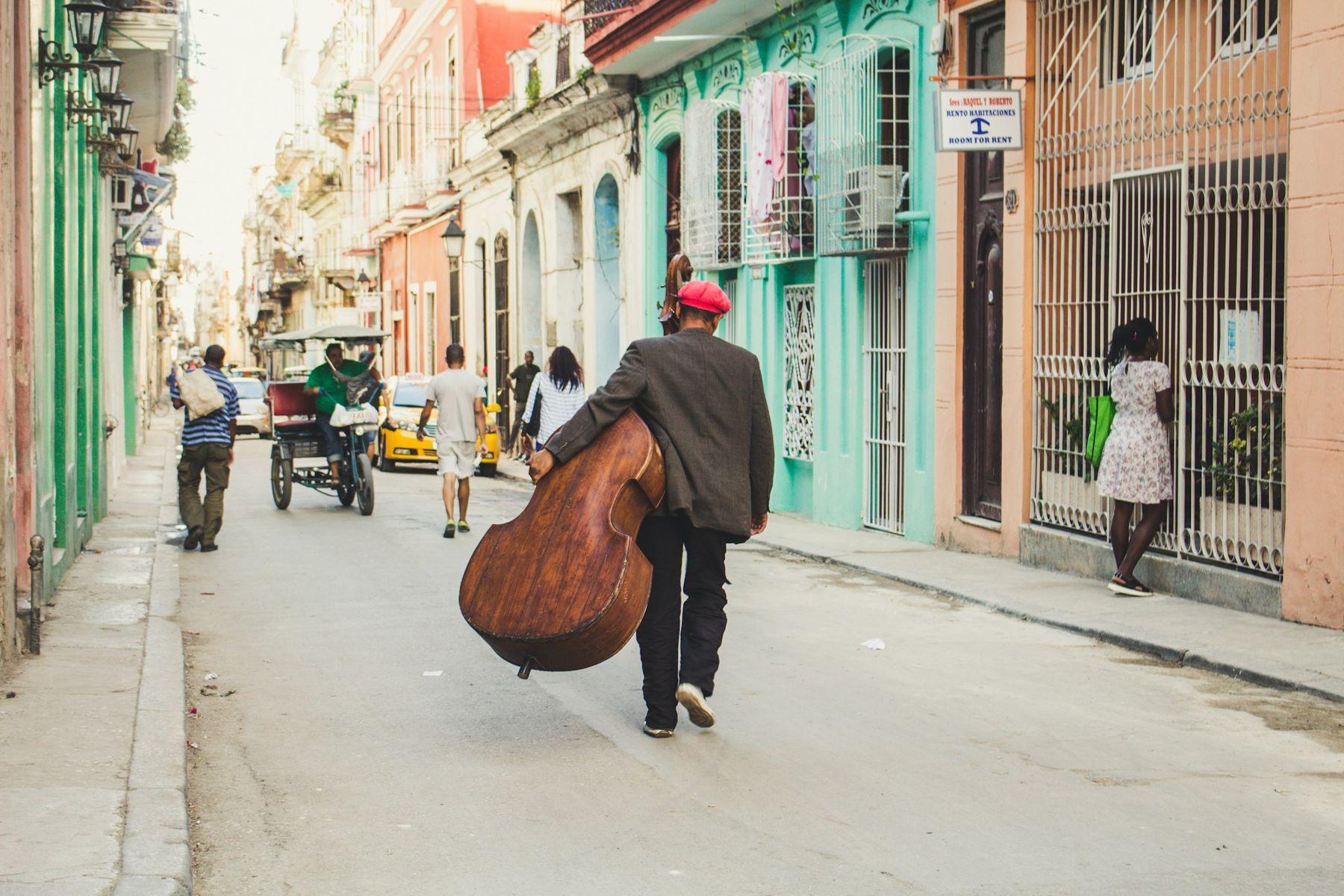
- Bass. Early son groups used a marímbula, a wooden box with metal tongues plucked with the thumbs, or a botija, a clay jug blown across the opening. Later the double bass took over.
- Guitar, voices and trumpet. A Spanish guitar keeps the harmony, a lead singer and a small chorus trade lines, and in septetos a trumpet adds melody and fills.
The shape of a son
Many son songs come in two parts. The first is the song itself: verses, a melody, a story about love, a place or a bit of everyday life. Then the band moves into the montuno. Here the chorus repeats a short line, the lead singer improvises answers between the repeats, and the tres or trumpet takes solos. The energy rises, the bongó player picks up the bell, and this is where people dance hardest.
Listen to the bass. In son it often plays just ahead of the strong beat, landing a fraction early and holding through it. That anticipated bass is one of son's most important ideas. It gives the music its forward lean, and it is a large part of why your feet want to move before you have decided to.
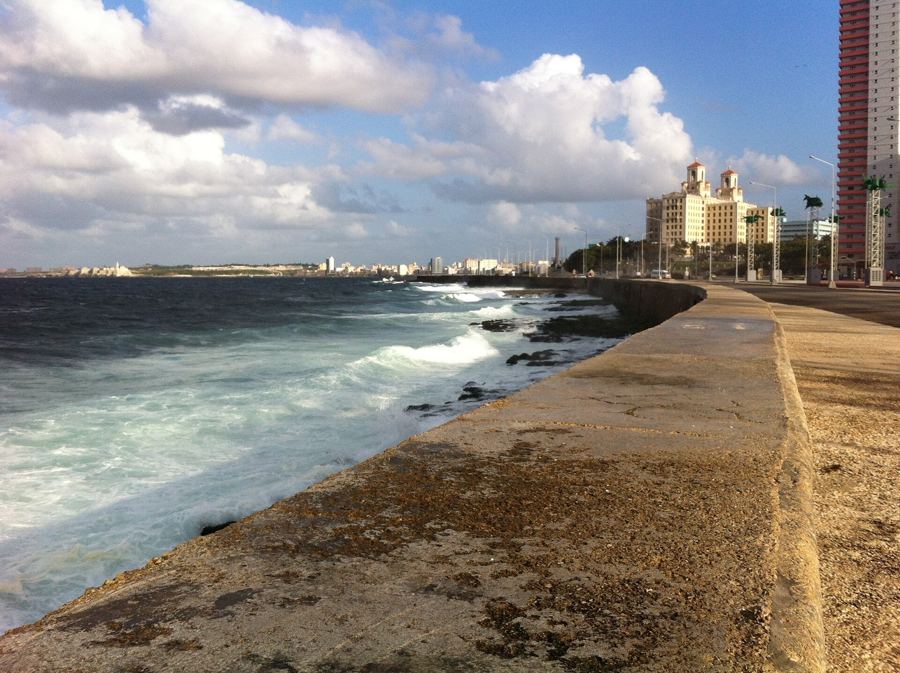 Flip it overThe Malecón at duskPhoto: PLBechly, CC BY-SA 4.0
Son had begun as the music of the margins; by the middle of the century it was the national sound.
From son to salsa
Son travelled. Cuban records sold widely across Latin America in the early and middle twentieth century, and Cuban musicians worked in New York, Mexico City and elsewhere. In New York in the 1960s and 1970s, musicians from Puerto Rico, Cuba and across the Latin Caribbean built a new, brassier dance music on the foundations of son montuno and the big Cuban dance bands. It was marketed as salsa. When you hear the piano patterns and the call-and-response chorus in a salsa track, you are hearing son's structure in a different city's accent. Cuban jazz grew partly from the same roots; the story on jazz nights in Vedado picks up that thread.
In the 1990s, recordings by veteran Cuban son musicians found a large international audience, and interest in traditional son grew sharply among visitors. That surge is one reason so many groups now play the classic repertoire in Havana's old town.
Where you hear it in Havana
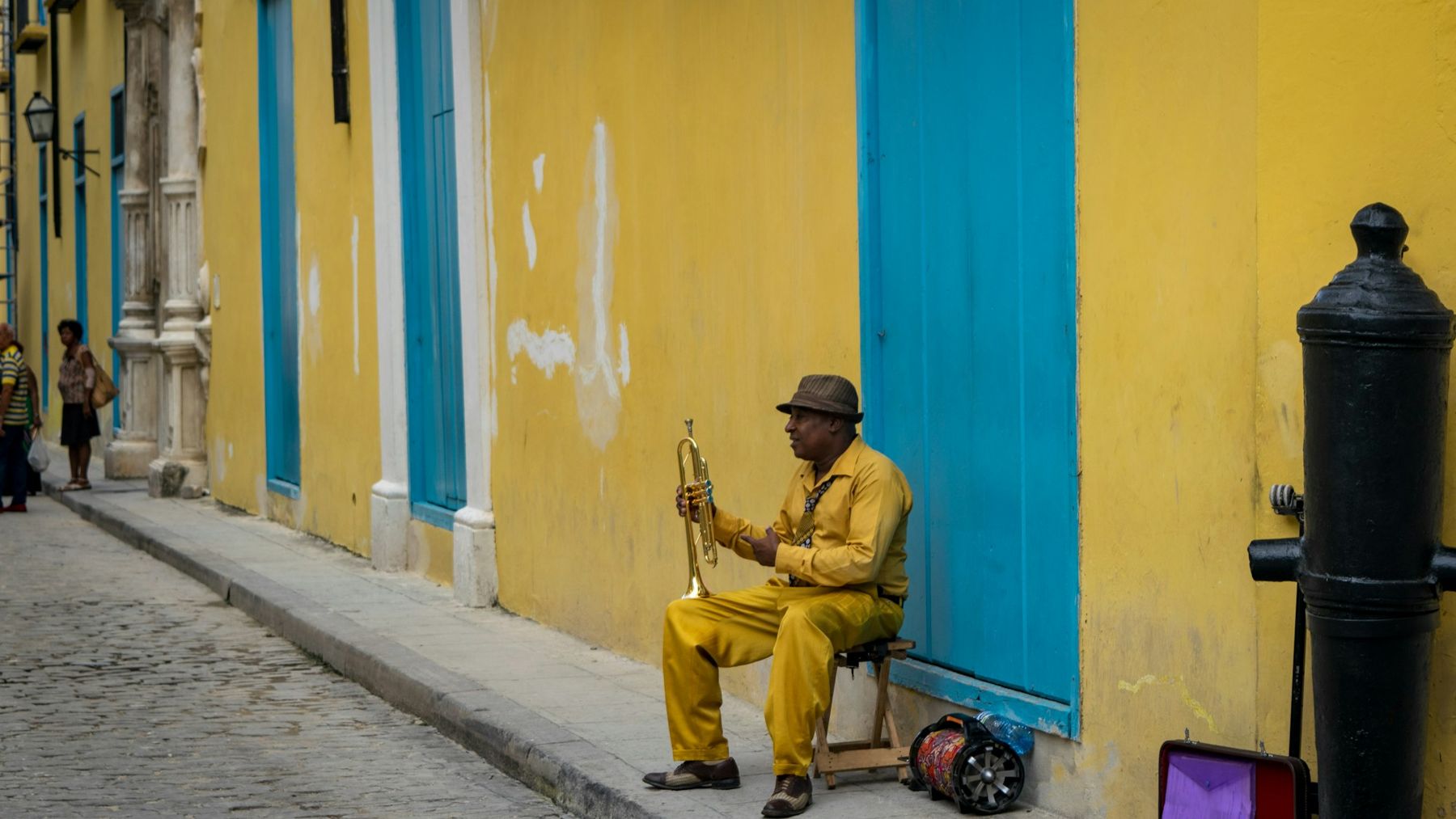
The easiest place to hear son is in public, in the old town. Bands play in the squares and on the pedestrian streets that link them; walking between the four plazas of Habana Vieja on an afternoon you are likely to cross paths with several. Many play in restaurant doorways or courtyards that open onto the street, and you can listen from the pavement.
A few things to know:
- Musicians work for tips. If you stop to listen for a while, leave something. Many bands also sell recordings; buying one is a good way to say thanks.
- Requests are common. Bands that play for visitors know the famous songs well. Ask instead for a son they like, and you may hear something less worn.
- Evening dance venues change. Larger son and timba bands play at dance halls and cultural centres, often on weekend nights. Schedules shift, so ask locally and check before you go.
- Casas de la trova. Many Cuban towns have a house dedicated to traditional song, where older trova and son are played. Ask whether there is one near where you are staying.
Son's cousins, and son everywhere
Son sits at the centre of a family of Cuban styles, and many bands in the old town move between them in one set. The bolero is the slow romantic song, sung close to the microphone, often with a guitar trio. The guaracha is quicker and wittier, with lyrics full of jokes and street characters. Changüí, from the Guantánamo area, is an older, rougher country relative of son with a busy tres and a driving bongó. Later came the mambo and the cha-cha-chá, both built for the dance halls of the 1940s and 1950s. You do not need to sort them neatly. Notice the tempo, notice whether people are dancing close or apart, and notice how often the same instruments turn up.
Once you know son's parts, the city starts to sound different. A taxi radio playing modern Cuban dance music, the dense, fast style called timba, still leans on the clave and the call-and-response chorus. A rumba in Centro Habana uses a cousin of the same rhythm. A ballad singer in a hotel lobby may slip into a montuno for the last minute. Son is the common ground under most of it.
Start with one band, in one plaza, for one whole song. Pick out the tres, then the bongó, then the bass leaning ahead of the beat. Then let them go back together. That is son: a handful of simple parts, each one doing a small job, adding up to something that makes a whole square sway.