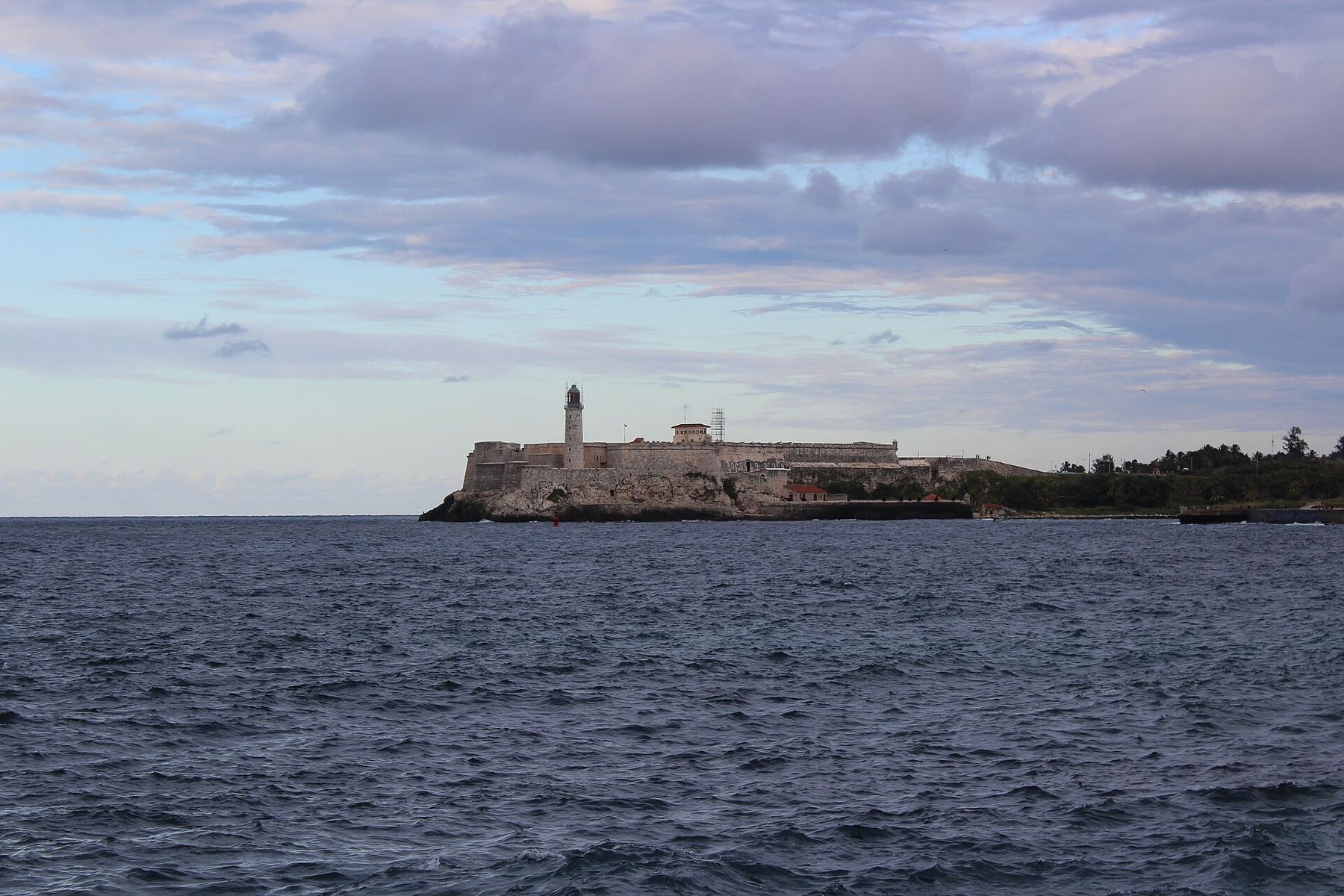
Look across the harbour mouth from the end of the Malecón and you see a stone fortress on a rocky point, with a lighthouse rising from it. That is El Morro. Behind it, stretching along the ridge on the eastern side of the bay, is the long, low bulk of La Cabaña, one of the largest colonial fortresses in the Americas. Together they make up a historic park that is worth a full afternoon. And if you stay into the evening, you can watch the cañonazo, the firing of a cannon at nine o'clock, a ceremony that has marked the night in Havana for centuries.
Why the fortresses are here
Havana was one of the most important ports in Spain's empire. Treasure fleets from across the Americas gathered in its harbour before sailing for Spain, which made the city a prize for pirates, privateers and rival powers. The narrow channel into the bay was the key to its defence.
The Castillo de los Tres Reyes del Morro was built from the late sixteenth century on the rocky headland at the eastern side of the entrance. On the opposite side, a smaller fortress at La Punta guarded the old town's shore, and in times of danger a chain could be stretched across the channel between them.
In 1762, during the Seven Years' War, a British force besieged and captured Havana, taking El Morro after a long siege. Spain recovered the city the following year in exchange for Florida, and set about making sure it could not happen again. The result was the Fortaleza de San Carlos de La Cabaña, built on the high ground behind El Morro over the following years and finished in the 1770s. It was an enormous project for its time.
Exploring El Morro and La Cabaña
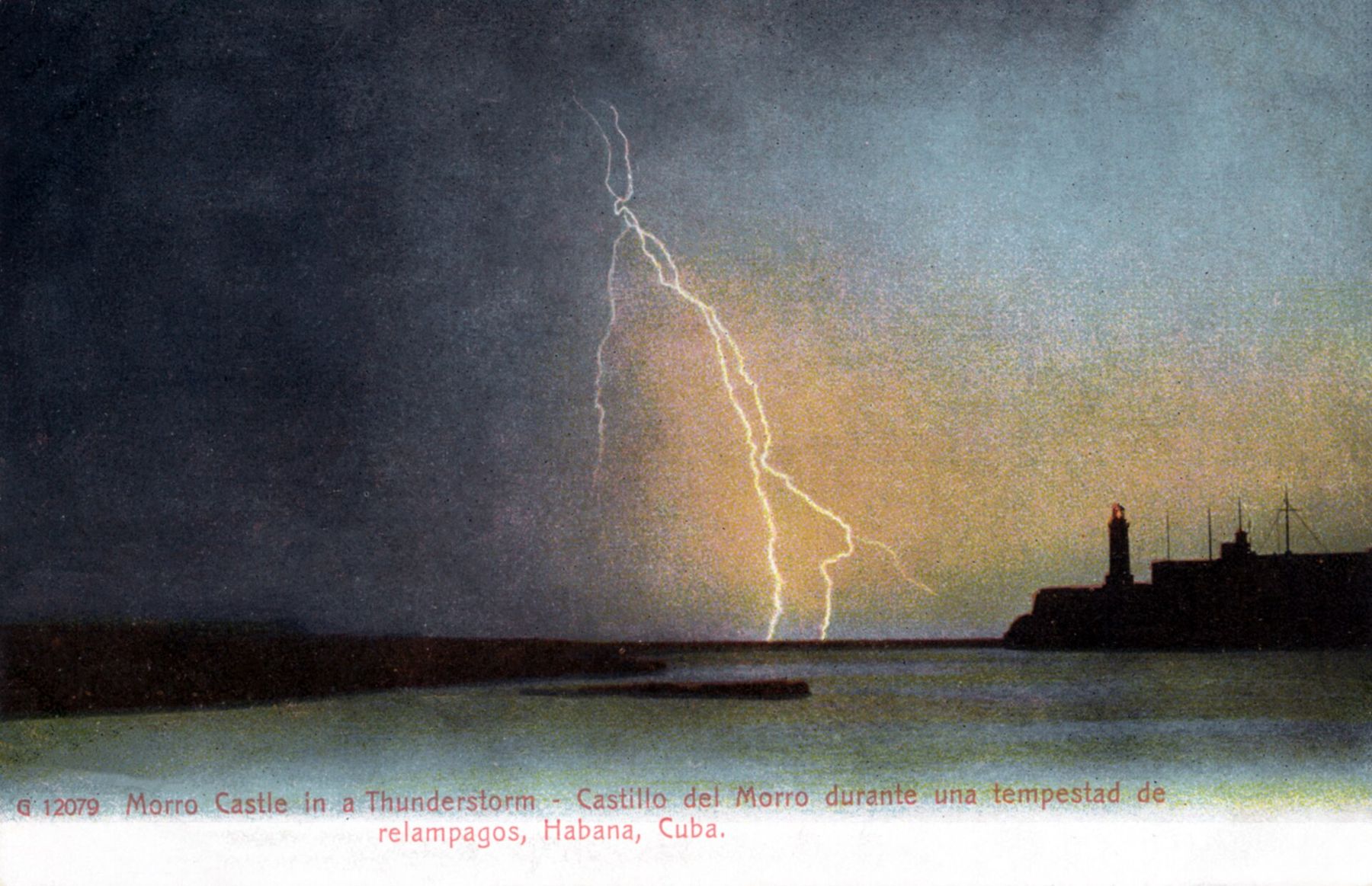
El Morro is compact and dramatic: thick walls, ramps, gun platforms, and a moat cut into the rock. The lighthouse was added in the nineteenth century and is still a working light. From the ramparts you look straight down into the channel, where cargo ships and fishing boats pass close enough that you hear their engines over the waves.
The view back to the city is the reason many people come. The whole sweep of the Malecón curves away to the west, with the façades of Centro Habana and the towers of Vedado behind it. On the other side, the domes and towers of the old town rise behind the harbour. The story on the Malecón at dusk covers the city side of the same view.
Access to the lighthouse and some areas may need an extra ticket or may close for maintenance. Check before you go.
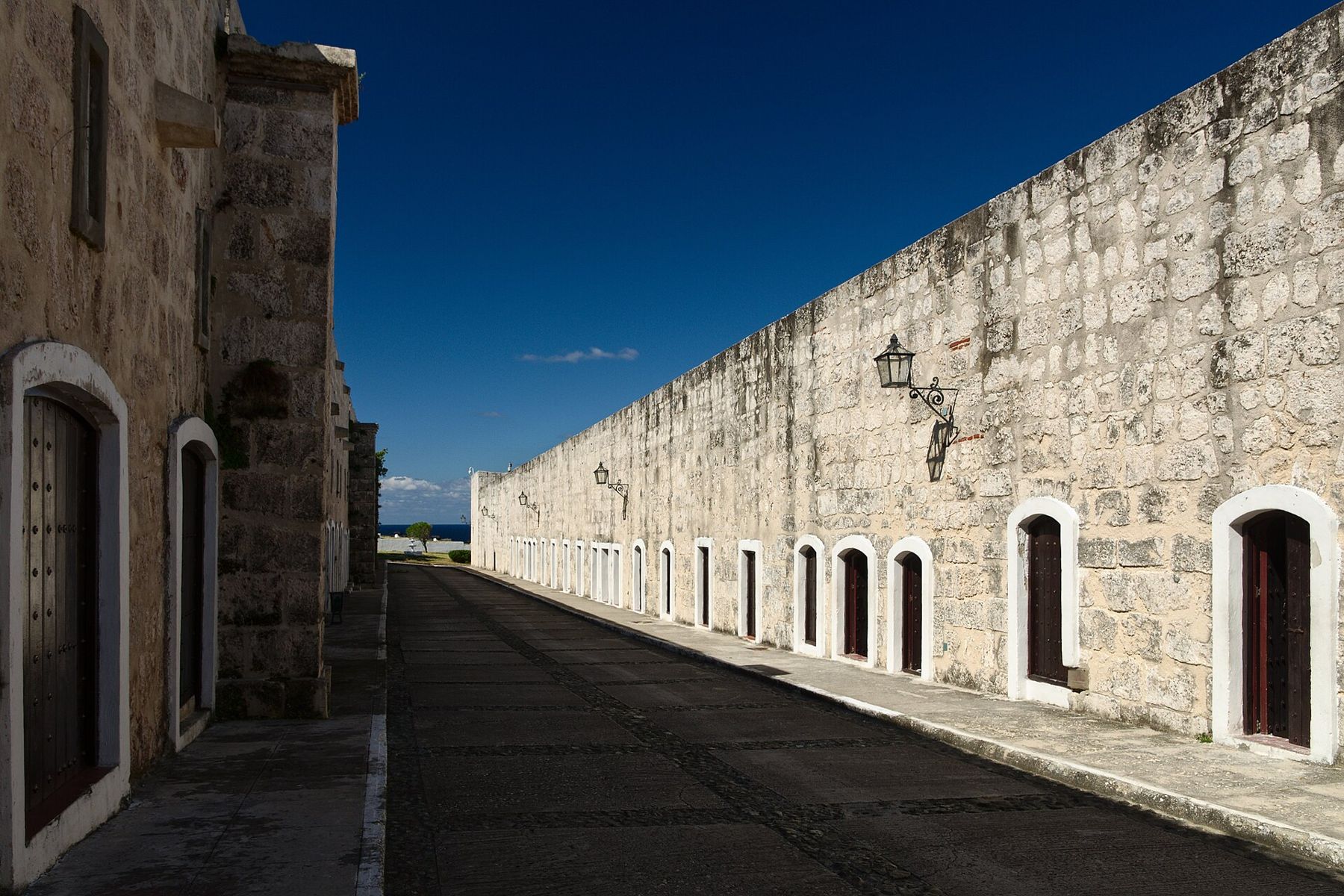
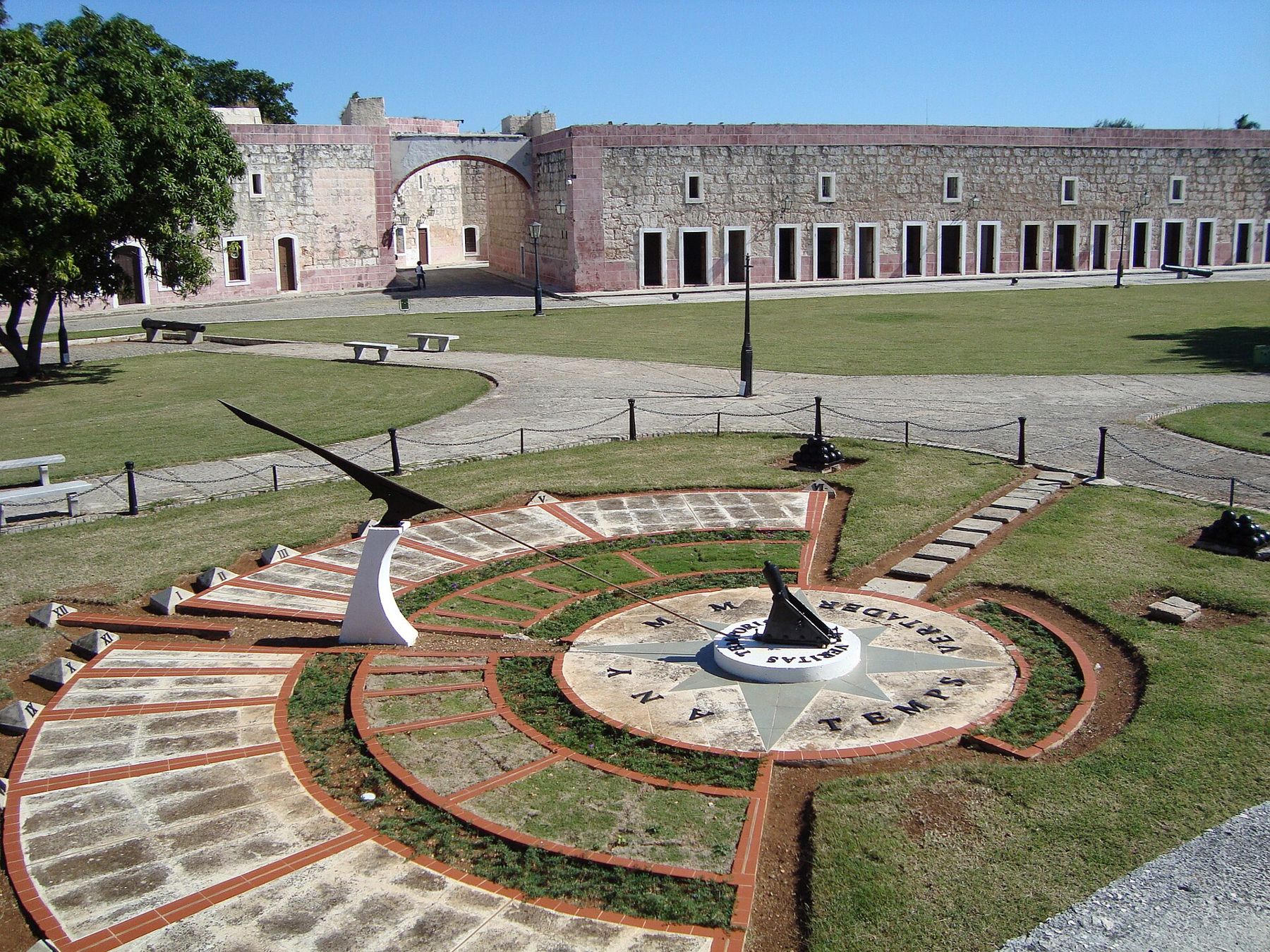
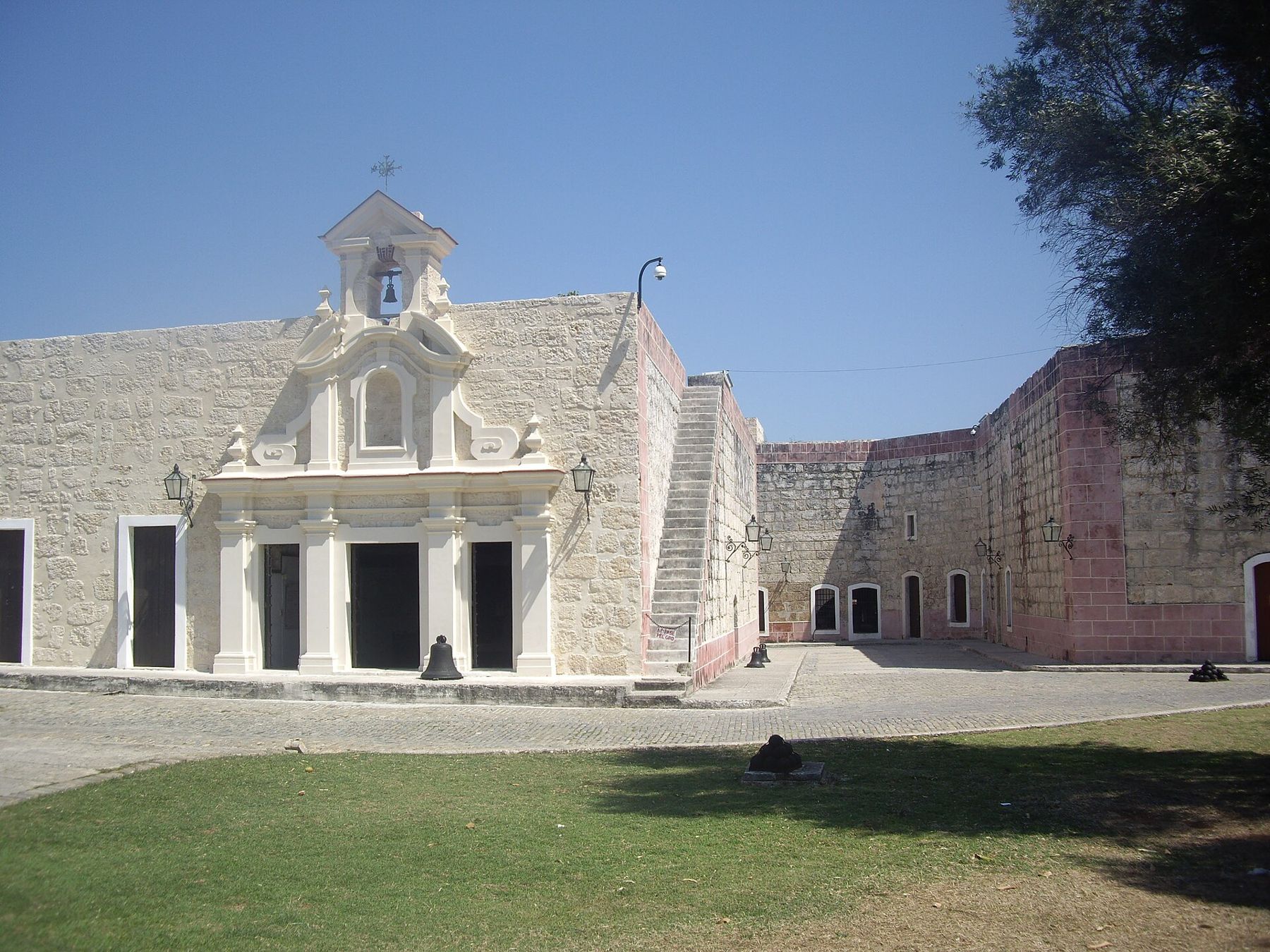
La Cabaña is a different scale altogether: a walled town of barracks, chapels, courtyards and cobbled streets running along the ridge. Parts of it now hold museums, including displays of colonial weapons and fortifications, along with craft stalls and places to eat. Walk the length of the ramparts facing the harbour for a slow, changing view of Habana Vieja across the water: the cathedral towers, the domes, the waterfront, and the city's rooftops behind them.
Every night at nine, the cannon fires, and across the water the old town hears it.
The nine o'clock cannon
In colonial times, a cannon shot at night signalled that the city gates were closing and the harbour was being sealed for the night. The custom has continued, in one form or another, for centuries. Today it is a ceremony at La Cabaña called the cañonazo de las nueve. Every night at nine, the cannon fires, and across the water the old town hears it.
The ceremony begins a little before the hour. Soldiers dressed in eighteenth-century uniforms march in by torchlight, to a drum, and go through the old routine of a gun crew: orders shouted in the old style, the cannon loaded and aimed. At nine sharp it fires. The flash and boom are loud, closer than you expect, and the echo rolls over the bay.
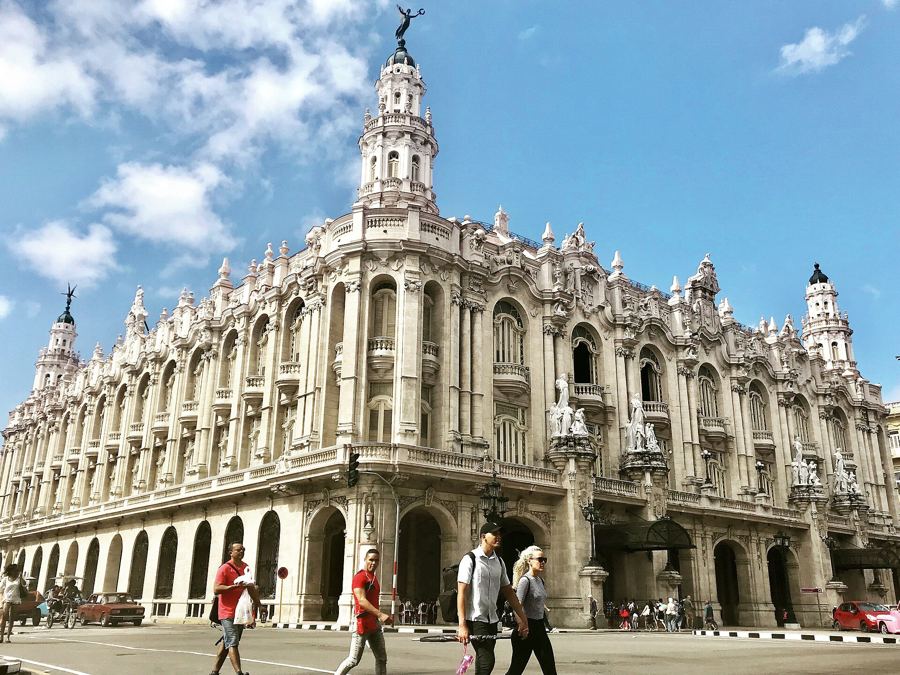 Flip it overThe Gran Teatro and the balletPhoto: Tacorontey, CC BY-SA 4.0
A few points for the evening:
- Arrive early. The best viewing spots along the wall fill well before nine. Aim to be inside the fortress with time to spare.
- Tickets. There is usually a separate ticket for the evening ceremony. Prices and payment rules change; check before you go.
- Ears. The shot is loud. Young children may want to cover their ears.
- Light. Paths are dim after dark. A small torch helps on the uneven stone.
- Getting back. Arrange a return ride in advance or be ready to find a taxi in the crowd afterwards.
From the old-town side, you can also hear the shot without crossing the water. Stand along the harbour front at nine and listen for the boom; locals have set their watches by it for generations.
Getting there
The fortresses sit on the eastern side of the harbour, across from Habana Vieja. There are two usual ways over.
- Through the tunnel. A road tunnel under the harbour mouth, opened in the late 1950s, links the city side with the eastern shore. It is for vehicles only, so take a taxi, a shared taxi going east, or a bus. Taxis can drop you near the entrance to the park. The story on getting around Havana by ear explains the options.
- By ferry and on foot. The small passenger ferry from the old-town waterfront crosses to Casablanca, the village on the eastern shore. From there, a walk uphill past the large white statue of Christ leads toward La Cabaña. It is a steep but rewarding walk; the story on the little ferry to Regla and Casablanca covers the crossing.
What the harbour sounds like
Stand on the ramparts for a while and listen. The wind is constant up here, pulling at flags and whistling in the gun embrasures. Below, the sea pushes into the narrow channel and slaps against the rocks under the lighthouse. Ships sound their horns as they enter or leave the bay, a deep note that bounces off the stone. Across the water, the city is a low murmur of traffic, with now and then a horn or a radio carrying over. At night, once the cannon has fired, the crowd's talk drifts down the ramps and the harbour goes quiet again, except for the waves and the beam of the lighthouse turning overhead.
A plan for the day
Spend late afternoon at El Morro, when the heat drops and the light turns warm on the city. Walk over to La Cabaña as the sun sets, have dinner inside the walls or bring something with you, then find your place on the ramparts for the ceremony. Before you come, spend a morning in the four plazas of Habana Vieja; you will see them again from the fortress walls, lit up across the dark water, just as the drum begins.