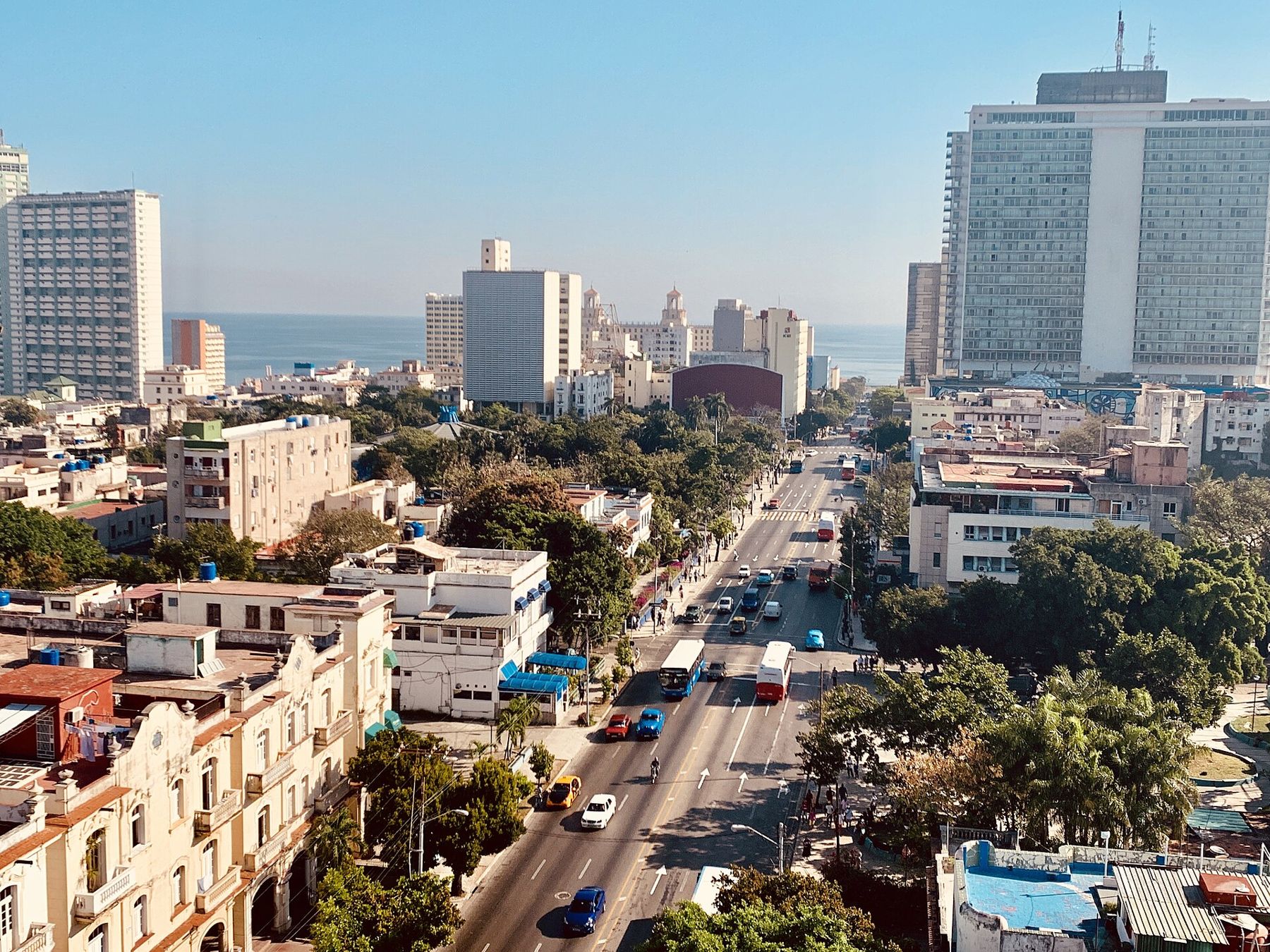
Vedado is Havana's mid-twentieth-century district: a grid of tree-lined streets, apartment blocks and big old houses running inland from the sea. Its spine is Calle 23, and the stretch of 23 that climbs from the Malecón up the hill is known as La Rampa. After dark, this part of town is where much of the city's jazz lives. You find it in small clubs, hotel bars and cultural centres, and on some nights in open-air spaces, played by musicians who can move from bebop to son to rumba within a single solo.
How Cuban jazz grew
Cuba and jazz have been talking to each other for about as long as jazz has existed. Havana and New Orleans were linked by shipping, and Cuban rhythms were part of the early jazz mix. In the 1940s, the conversation became explicit. Cuban musicians in New York joined forces with American jazz players, and big bands added conga drums, bongó and Cuban rhythm sections. In 1947 a Cuban conga drummer joined a leading New York bebop big band, and the music that came out of those years was called Afro-Cuban jazz, or Latin jazz.
In Cuba itself, jazz kept developing even as contact with the United States was cut. From the 1970s Cuban groups mixed jazz with batá drums, rumba and son, played with a technical brilliance that surprised foreign listeners, and trained a long line of virtuoso players. Cuban music schools gave many of them a deep classical grounding, which you can hear in the piano especially. The story on son, the sound under everything explains the rhythms they draw on.
What you will hear
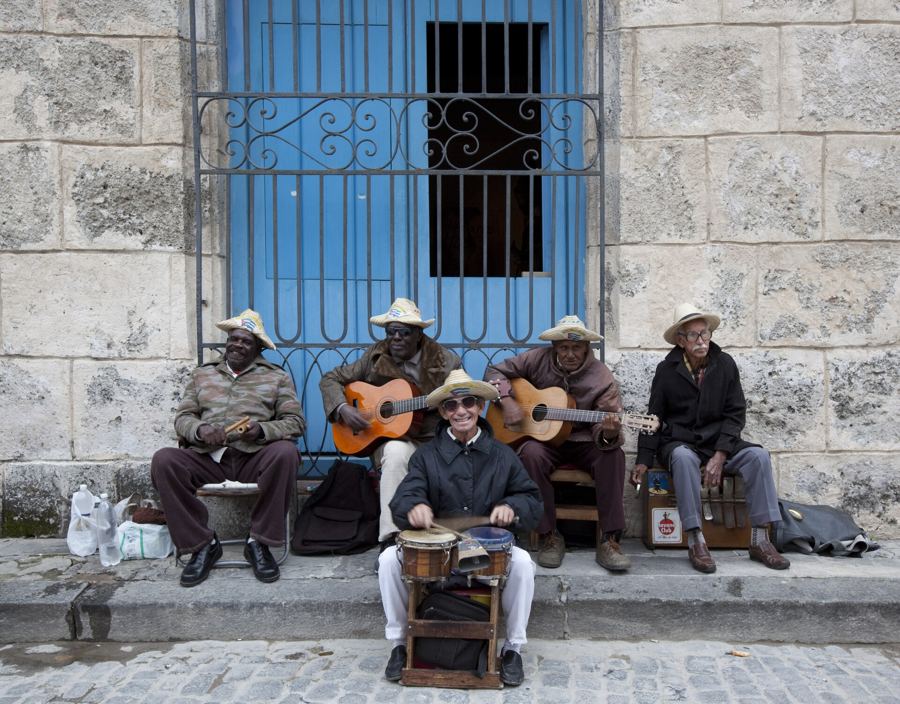
Expect a typical line-up of piano, bass, drum kit and congas, often with a saxophone or trumpet. Some groups add batá or bongó. What makes the sound Cuban is the rhythm section. The bass and piano tend to play patterns rooted in son and its descendants, called tumbaos, laid against a clave pattern that never quite goes away. Solos can be long and fast. A tune might start as a well-known jazz standard and turn halfway through into a rumba, or open with a slow bolero, the Cuban romantic ballad, before the drums kick in.
If you want to follow the rhythm, find the clave first; the story on how to hear the two-three gives a quick method.
 Flip it overClave: learning to hear the two-threePhoto: Carol M. Highsmith, Public domain
The late-night circuit
The places that host jazz in Vedado change over time. Some are long-established basement clubs; others are hotel lounges or state cultural centres that put on concerts some nights a week. Rather than a fixed list, think of it as a circuit around La Rampa and the streets near it, and ask locally what is on.
- Start late. Shows often begin well into the evening, and the best sets can come after midnight.
- Expect a cover charge at most venues, sometimes with a drink minimum. Amounts and payment rules change; carry cash and check before you go.
- Reserve if you can. Small clubs fill up on weekends and festival nights.
- Dress neatly. No strict codes, but many venues expect more than beach clothes.
Listening in a small room
A Vedado jazz set in a small club is a close, physical experience. You sit near enough to hear the pianist's hands on the keys between notes and the slap of palms on conga skins. Musicians often play long sets with few breaks, signalling changes to each other with a glance or a short rhythmic cue from the drums. Applause after solos is normal, as it is anywhere jazz is played. Talking through a quiet ballad is not, and Havana audiences can be attentive. If you want to chat, wait for the louder numbers or the break between sets. Many players are happy to talk afterwards about what they played, and some sell recordings at the door; buying one is a direct way to support them.
The winter jazz festival
Havana holds an international jazz festival, usually around the turn of the year, in December or January. It brings Cuban groups and visiting musicians together in theatres and concert halls across the city, with many events in Vedado. During the festival, the choice of concerts is at its widest, and you often catch younger players and experimental groups alongside established names. Dates and programmes change from year to year, so check before you go and plan your accommodation early.
Getting there and getting home
From Habana Vieja or Centro Habana, Vedado is a long walk along the sea wall or a short taxi ride. Walking up La Rampa at night is part of the experience: it is busy, lit, and full of people heading out. Many people combine an early evening on the sea wall with a late concert; the story on the Malecón at dusk covers the first half of that plan.
Getting home after a late show needs a little thought. Taxis gather around hotels and the busier corners of 23, and shared taxis run along the main avenues; the story on getting around Havana by ear explains how they work. Agree a fare before you set off.
Daytime Vedado
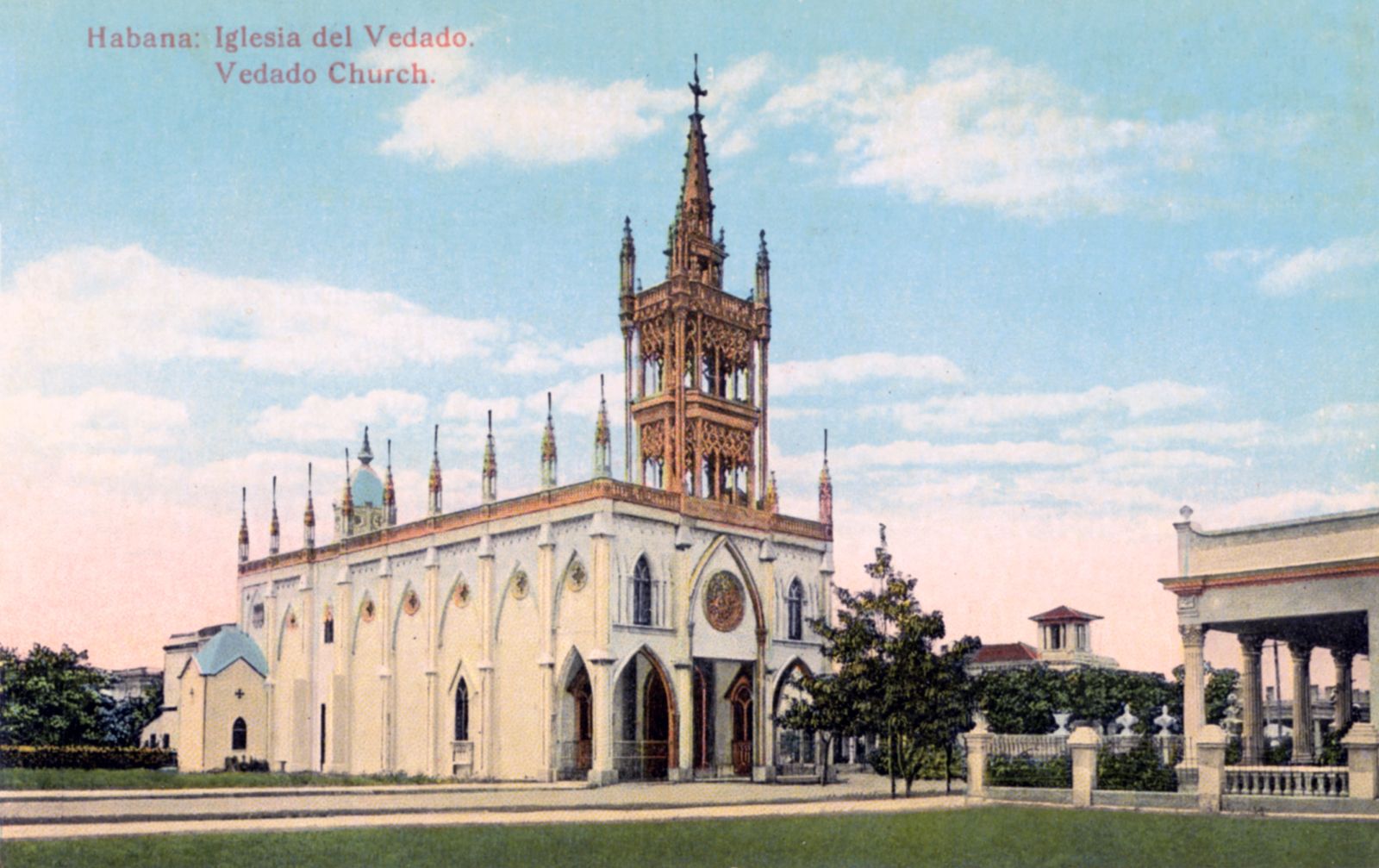
Jazz nights are better if you know the neighbourhood by daylight. Vedado rewards a slow walk: the university steps, the shade of its trees, the old houses with their columned porches. The story on Vedado on foot gives you a route. Then, when you come back after dark, the same streets sound different: music leaking from doorways, the hum of the traffic on 23, and somewhere a piano working its way into a montuno.