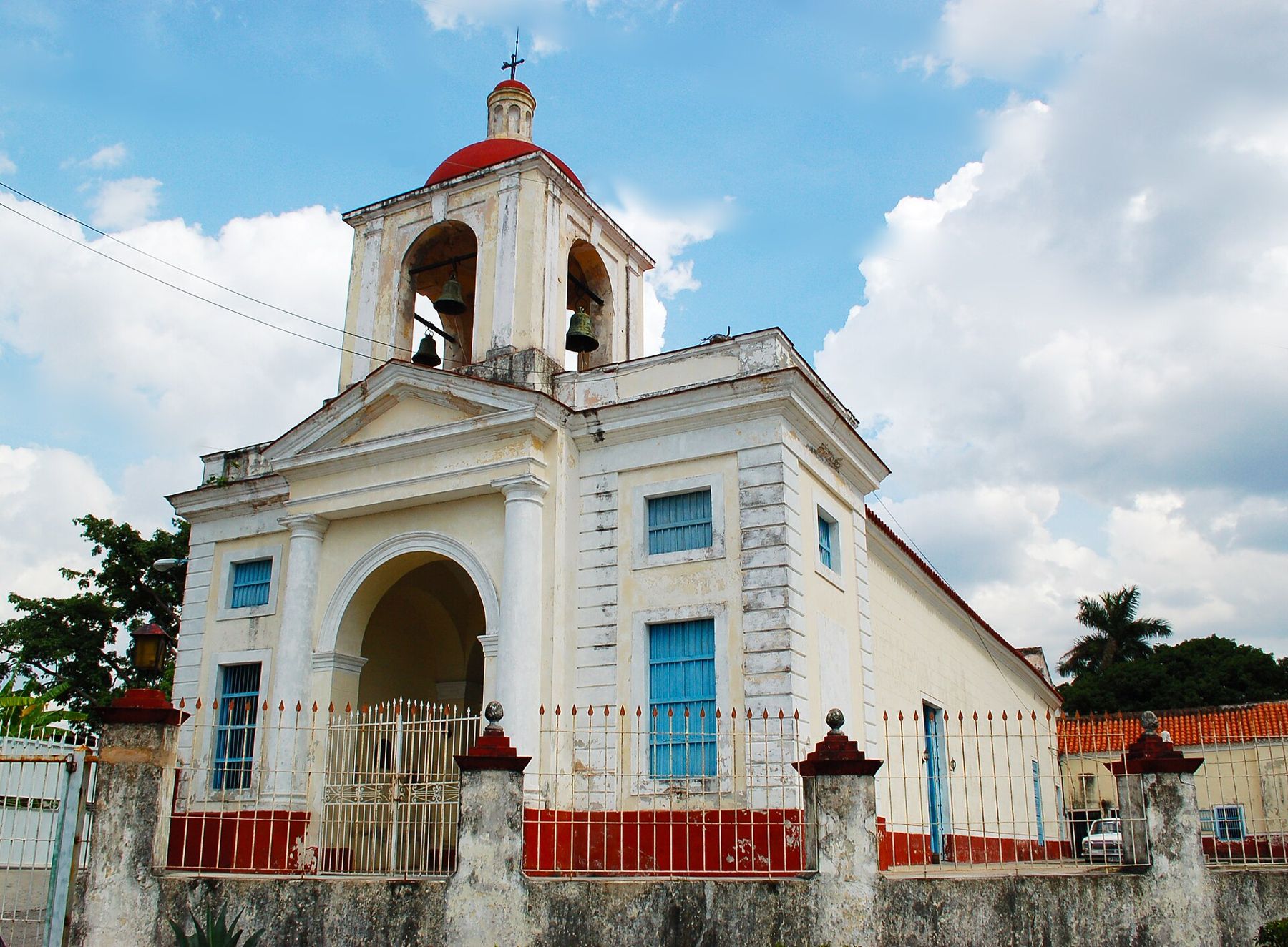
Batá are three drums, each shaped like a slim hourglass with a skin at both ends. Played together, they produce one of the most complex rhythmic languages in the Americas. In Cuba they belong first of all to religion: they are played to speak to the orishas, the deities of Regla de Ocha, the Afro-Cuban faith often called Santería. If you hear them in Havana, you may be listening to a concert, a folklore performance, or a sacred ceremony. Knowing which is which is the first thing to learn.
Regla de Ocha, briefly and carefully
Regla de Ocha grew from the religion of Yoruba-speaking people from what is now Nigeria and Benin, who were brought to Cuba in large numbers in the late eighteenth and nineteenth centuries. Under slavery and colonial rule, they and their descendants kept their worship alive in part by linking each orisha with a Catholic saint. That is why you will find images of the Virgin and of Catholic saints in Cuban homes and churches that are also honoured, by many people, as orishas. The religion has priests and priestesses, initiations, offerings, divination and a large body of songs and dances for each orisha.
For most practitioners it is simply their faith, practised at home and in community houses. It is not folklore, and it is not a curiosity. The polite assumption for a visitor is that anything you see that looks religious is religious.
The three drums
The set is made up of three drums of different sizes, played sitting down with the drum across the lap, one hand on each skin.
- Iyá is the largest, the mother drum. Its player leads, calling changes in rhythm and answering the singer.
- Itótele is the middle drum. It answers the iyá and holds conversations with it.
- Okónkolo is the smallest. It keeps a steady, repeating pattern that anchors the others.
Because each drum has two heads, a high one and a low one, three players produce six voices. The rhythms are often described as speech: the drums imitate the tones of the Yoruba language, and certain patterns, called toques, are associated with particular orishas. Experienced listeners can tell which orisha is being saluted from the drums alone.
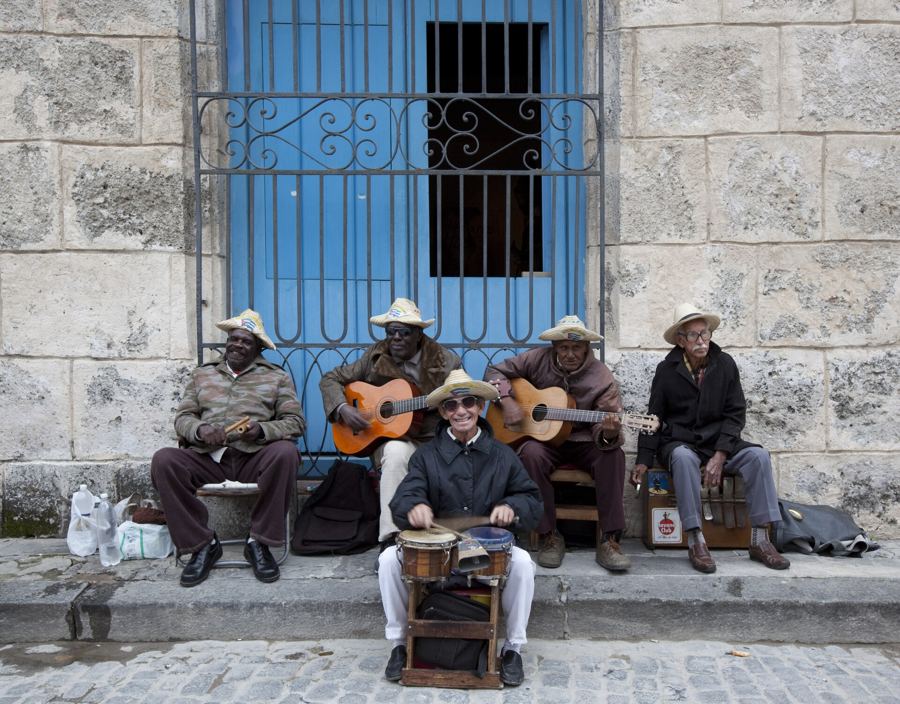 Flip it overClave: learning to hear the two-threePhoto: Carol M. Highsmith, Public domain
Sacred drums and other drums
In the religion, some batá are consecrated. They are believed to contain a spiritual force, are made and kept under strict rules, and are played only by initiated drummers in ceremonies. Other batá are not consecrated, and these are the ones you will usually hear at public folklore performances, in concerts and in dance classes. The rhythms may sound similar, but the meaning is not the same.
A religious drumming ceremony, often called a tambor, is held for an orisha, frequently to mark an initiation anniversary or to give thanks. People sing, dance, and sometimes someone is understood to be possessed by an orisha. These are religious events in private homes. You may be invited through someone you know; you should not seek them out as entertainment, and you should not pay to watch one presented as a show.
How to listen with respect
- Folklore performances are the right place to start. Havana's national folkloric dance company and smaller groups stage orisha dances and batá drumming as theatre. These are made to be watched and are the clearest way to see the costumes, dances and songs.
- If invited to a ceremony, follow your host. Dress modestly, often in light colours, ask before taking any photos, and assume the answer is no. Do not touch the drums.
- White clothing on someone in the street may mean they are in their first year after initiation. It is a religious period; do not ask to photograph them.
- Do not bargain over religion. If someone offers a reading or a ceremony for money on the street, you can simply say no.
The Sunday rumba in the Callejón de Hamel also draws on this religious imagery in its murals and some of its songs, and is a public event you are welcome at.
Regla and its church
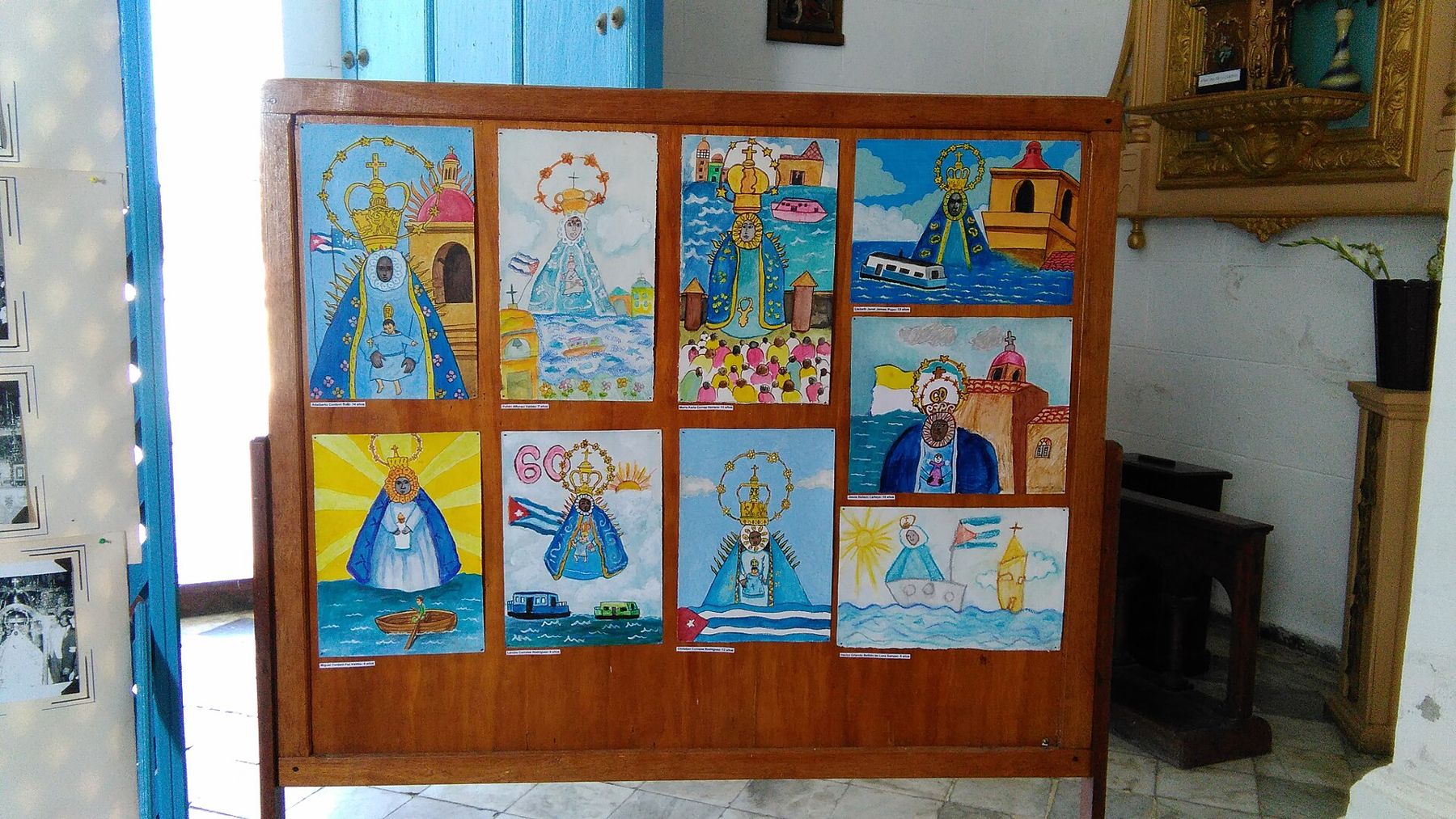
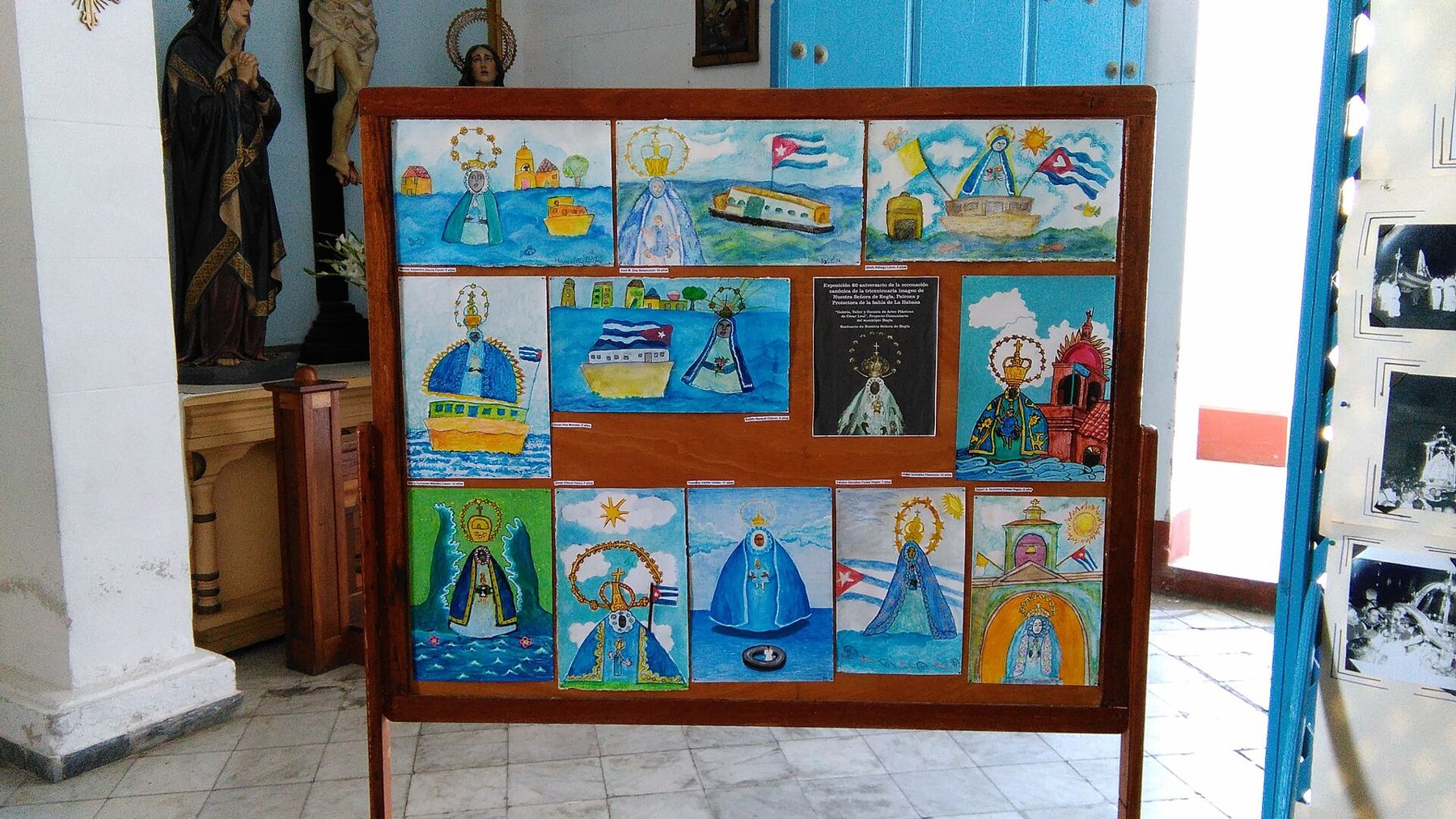
Regla is a small town across Havana harbour, a short ride on the little passenger ferry; the story on the little ferry to Regla and Casablanca covers the crossing. The town has a long association with Afro-Cuban religion and with the port, and its church near the water, the Iglesia de Nuestra Señora de Regla, holds an image of the Virgin of Regla, shown dark-skinned and dressed in blue.
Many Cubans honour the Virgin of Regla together with Yemayá, the orisha of the sea and motherhood, whose colours are blue and white. So you may see people at the church who are Catholic, people who practise Regla de Ocha, and many who are both. Her feast day is in early September, when there is a procession through the town; dates and arrangements can change, so check before you go.
If you visit, go as you would to any church: quietly, covered shoulders, no photos during a service. A morning visit, when the town is calm and the light is soft across the harbour, suits it best.
Learning more by ear
Batá drumming also shaped secular Cuban music. Some Cuban jazz and dance bands have used batá in their line-ups, and the orisha songs have travelled into popular music. The drum traditions of Matanzas, where rumba began, are just as deep. Wherever you hear batá, listen for the three voices: the small drum keeping the line, the middle drum answering, and the large drum leading the conversation. Then listen to the singer, and you will hear the drums and the voice pass the song back and forth.