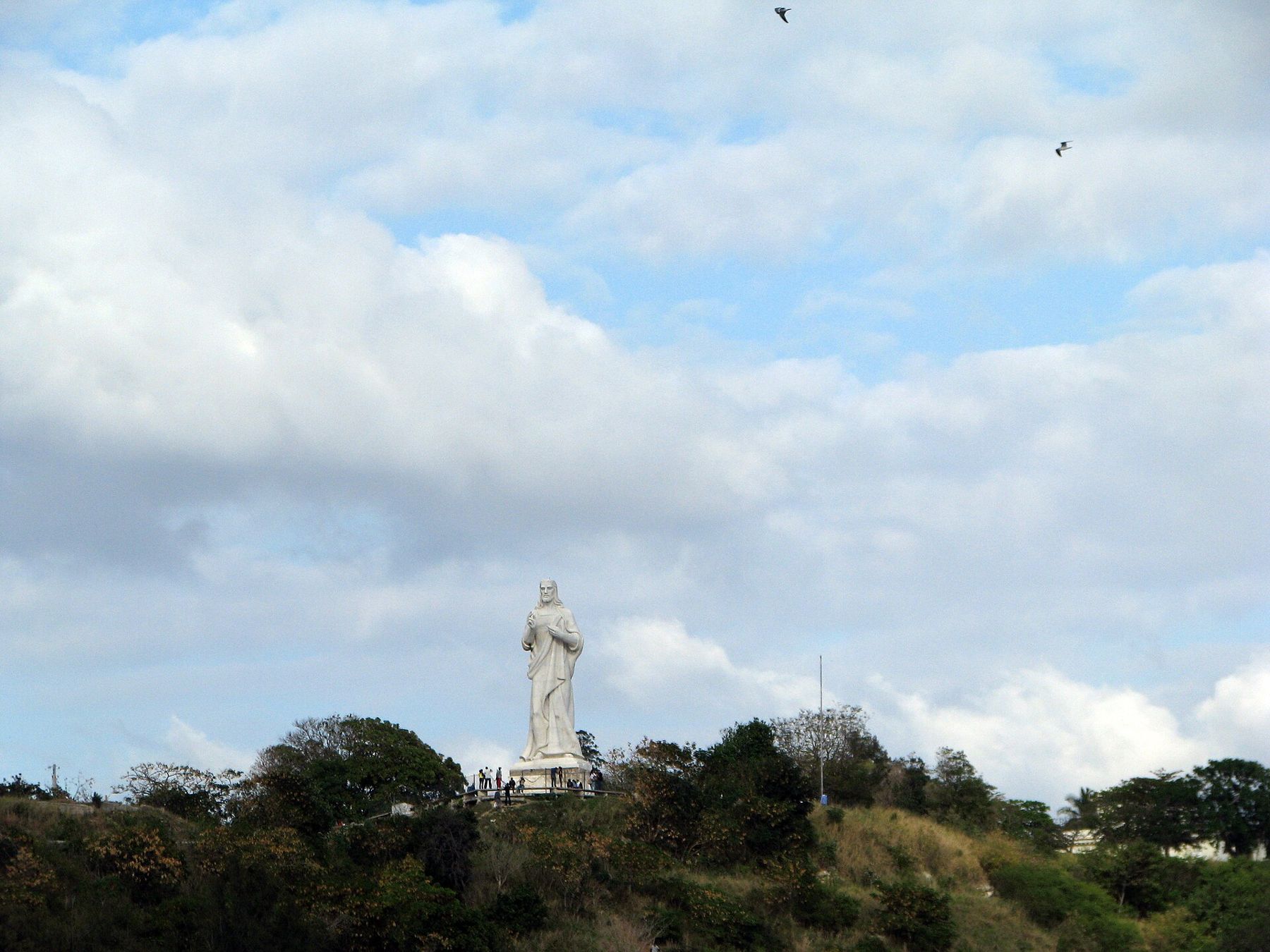
Havana sits on one side of a deep, pocket-shaped bay, with a narrow channel opening to the sea between the fortresses. On the far shore are smaller towns, connected to the city by small passenger ferries called lanchas. Taking one is among the simplest and most rewarding short trips in Havana: a few minutes on the water among cargo ships and tugs, and then a quieter waterfront town with a very different sound.
Catching the lancha
The ferries leave from a small terminal on the Avenida del Puerto, the harbourside road, a short walk south from Plaza de San Francisco de Asís. Boats run to Regla and to Casablanca on separate routes, and they are used mainly by local commuters, which means they are cheap, frequent at busy times and less frequent at others. Fares are paid in local currency and are very low, but they and the timetables change; check at the terminal before you go.
Expect a security check before you board, with bags looked through or passed through a scanner. Large bags and bicycles may be handled differently. Be patient and keep it simple: a small day bag is easiest.
Watch the harbour as you wait. Tugs, fishing boats and the occasional cargo ship move slowly through the bay, and the far shore is close enough to see people on the quay. The boats themselves are basic, open-sided or with a small cabin, and they pitch a little in the harbour chop. Find a seat near the rail and listen: the throb of the engine, the hiss of water under the hull, the shouts of the crew at either end.
Regla: the town of the Virgin
Regla is a working town on the southern shore of the bay, long associated with the port, with fishing and with Afro-Cuban religion. Facing the water stands the Church of Our Lady of Regla, a modest white church that houses a much-venerated image of a black Virgin. For Catholics she is a protector of sailors and the bay; within Regla de Ocha, the Afro-Cuban religion often called Santería, she is associated with Yemayá, the deity (orisha) of the sea and of motherhood, whose colour is blue.
It is a place of active worship. People come to pray, light candles and leave flowers, and many wear white or blue. Visitors are welcome inside in a respectful way: dress modestly, speak quietly, and do not photograph people at prayer. Every year in early September the town holds a feast for the Virgin with a procession; if you are there then, watch from the side and let the faithful pass.
Regla is also known for its tradition of sacred drumming. The story on batá drums explains how the three batá are played in religious ceremonies, which are religious occasions and not public shows.
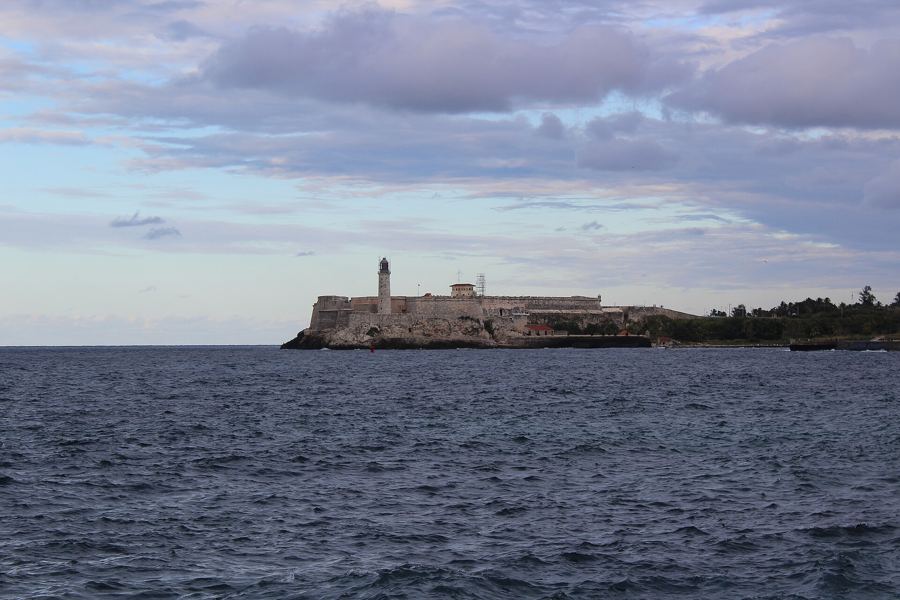 Flip it overEl Morro, La Cabaña and the nine o'clock cannonPhoto: Knomrm, CC BY-SA 4.0
Casablanca and the Christ of Havana
The other route crosses to Casablanca, a small fishing settlement tucked under the hills on the eastern side of the harbour, near the fortresses at the channel mouth. From the landing, a steep road and path lead up the hill to the Christ of Havana, a large white marble statue completed in the late 1950s, standing with one hand raised in blessing and the other on its chest. It faces the city across the water.
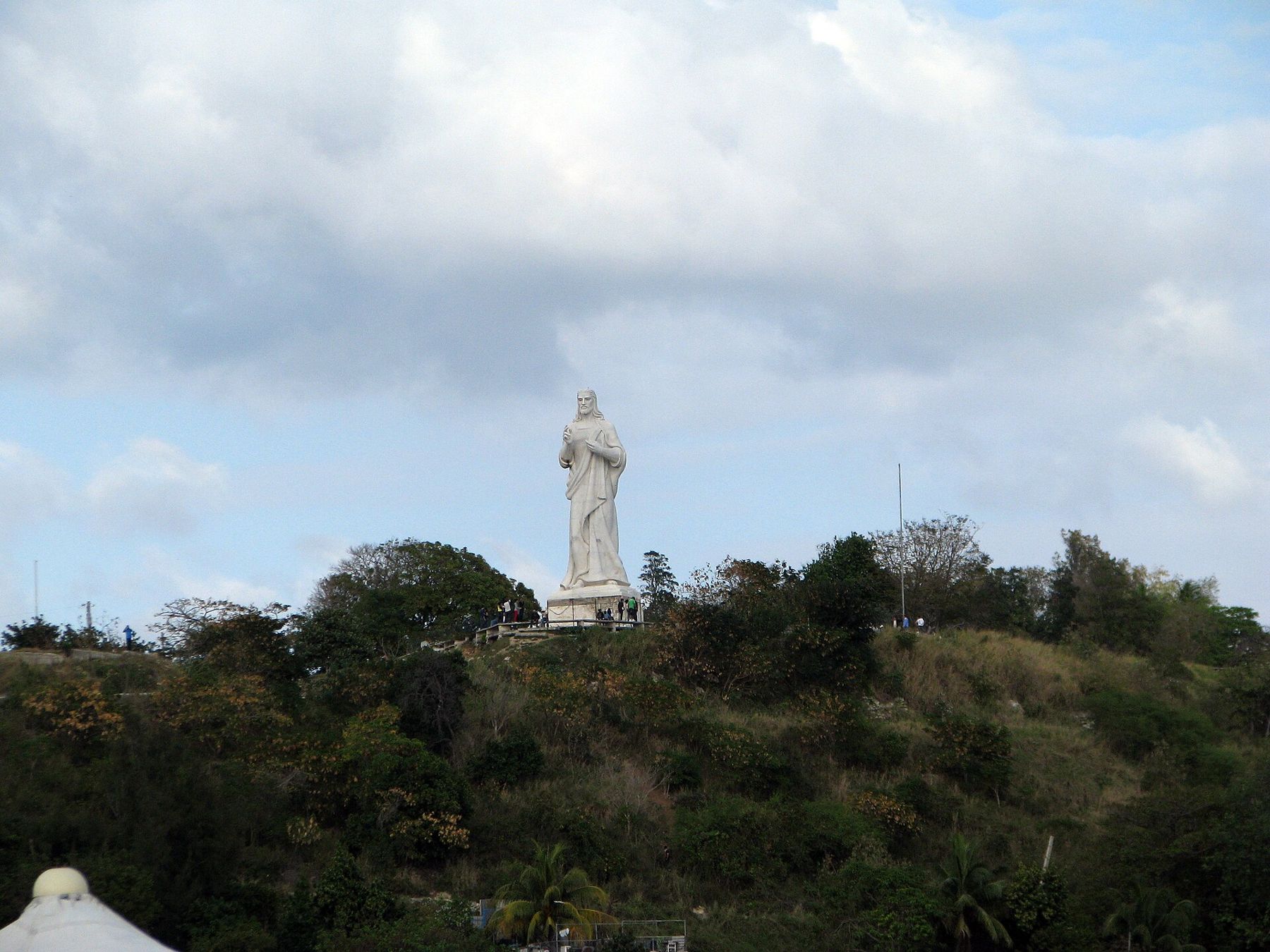
The climb is short but steep, and in the midday sun it is hot. At the top, the wind picks up and the sound changes: the traffic of the city disappears, replaced by the breeze, gulls and the voices of the few people around the statue. The view back across the harbour to Habana Vieja, the domes, towers and the edge of the Malecón, is one of the best in the city.
From the statue's hill, a road continues toward the great fortress of San Carlos de la Cabaña, where each evening the nine o'clock cannon is fired. Walking between them is possible, but the road has little shade; check the route and allow time.
Casablanca has historically also been the terminus of a rural electric railway line that ran east toward Matanzas through cane country. Its service has been irregular for years. Ask locally if it is running; do not plan a day around it.
Practical points
- Timing: go in the morning, when the light on the city is good from the Casablanca hill and before the heat builds.
- Combine: it is possible to do both towns in one outing, but you usually have to return to Havana between them.
- Return: note the time of the last ferry back. If you miss it, a taxi round the bay takes much longer.
- Money: carry small local notes and coins. Visitors have sometimes been charged differently from locals; check before you go and stay polite.
- Photography: the port and some installations are sensitive; avoid photographing security staff and naval or port installations.
The view back
The best part of the trip is often the return. As the ferry pulls away from the far shore, Havana spreads out ahead of you: the long line of the waterfront, the towers of the old churches, the dome of the Capitolio, the ships moored along the quays. Out on the water, the city's noise is reduced to a distant hum, and you hear the place differently for a moment, as a whole.
Back on the Habana Vieja side, the four old plazas are only a few minutes' walk away, and in the late afternoon the sea wall of the Malecón is the natural next stop.