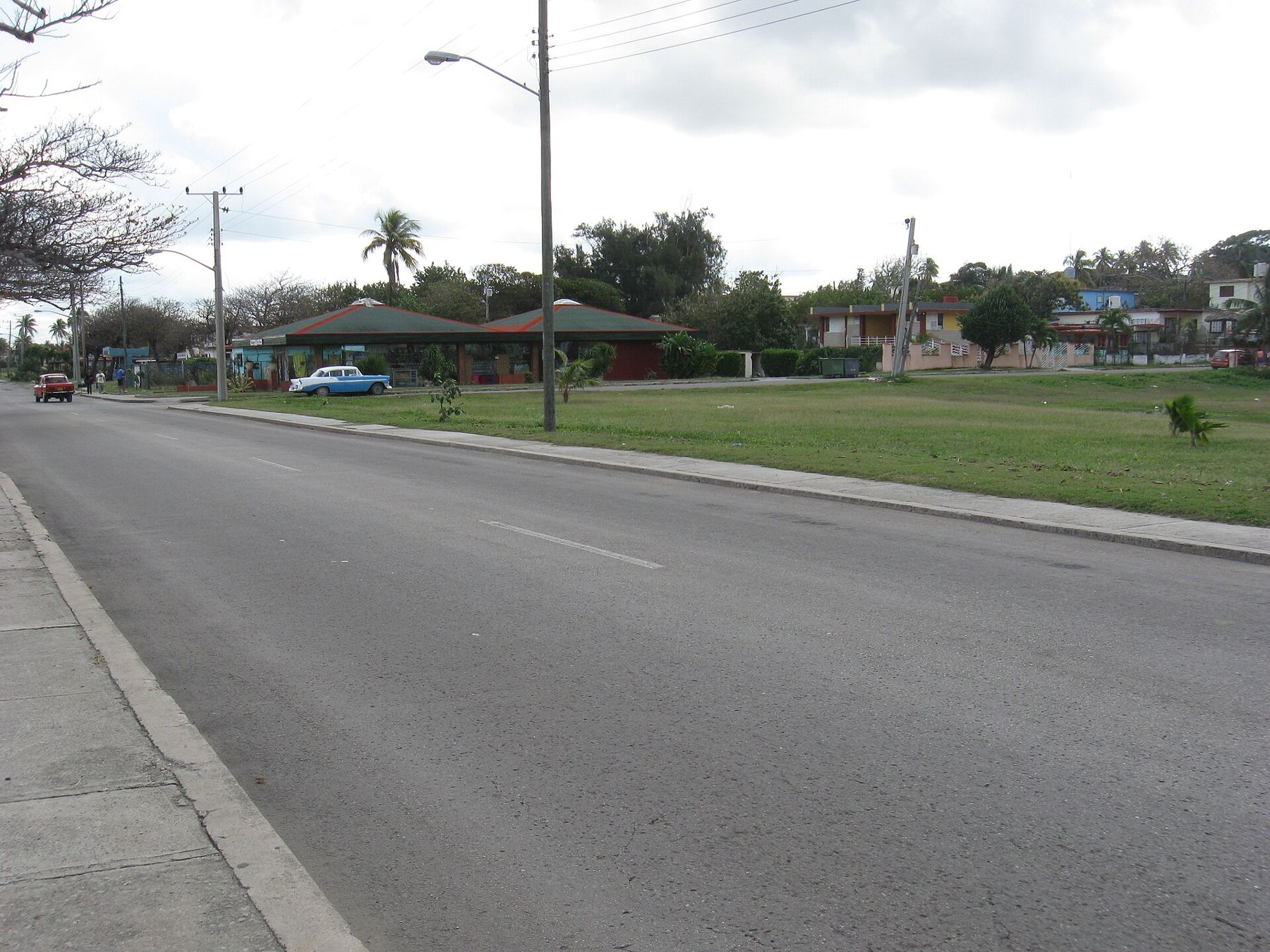
Havana's own coast is mostly rock. When habaneros want sand, they head east. Beyond the harbour tunnel, past the fortresses, a road runs out along the coast to a string of beaches collectively called Playas del Este, the eastern beaches. They are not the remote, polished resorts of postcards; they are city beaches, shaped by weekends, families and long hot afternoons, and that is exactly what makes them worth visiting.
The beaches, west to east
Playas del Este stretches for several kilometres along the coast, beginning roughly twenty kilometres from central Havana. From west to east, the main beaches are:
- Bacuranao, a small cove nearest the city, quieter and more local.
- Tarará, with a residential settlement behind it and a small marina.
- Santa María del Mar, the broadest and best-known stretch, with wide pale sand, casuarina pines and the most visitors from abroad.
- Boca Ciega, where a small river meets the sea, popular with families.
- Guanabo, at the eastern end, a proper small town with streets, shops and houses right behind the beach.
The beaches run together in places, and you can walk along the sand from one to the next.
Sea and sand
The sand here is fine and pale, and the water is generally clear, turquoise near the shore and darker blue further out. On calm days the sea is gentle and good for swimming. When northerly winds blow, mostly in winter, the waves get bigger and currents can be strong. There are not always lifeguards, so swim where others are swimming, stay within your depth if you are unsure, and keep an eye on children.
The sun is strong all year round. Shade comes from pine trees and from umbrellas and loungers rented on some beaches; prices vary, so ask before sitting down.
A habanero weekend
In July and August, when schools are out and the city is at its hottest, Playas del Este fills on weekends. Families arrive early with coolers, plastic chairs and portable speakers, and set up camp for the day under the pines. Music is everywhere: salsa, reggaeton, timba, son, each group with its own playlist. Dominoes come out on folding tables. Vendors walk the sand selling snacks, coconuts and cold drinks, calling as they go.
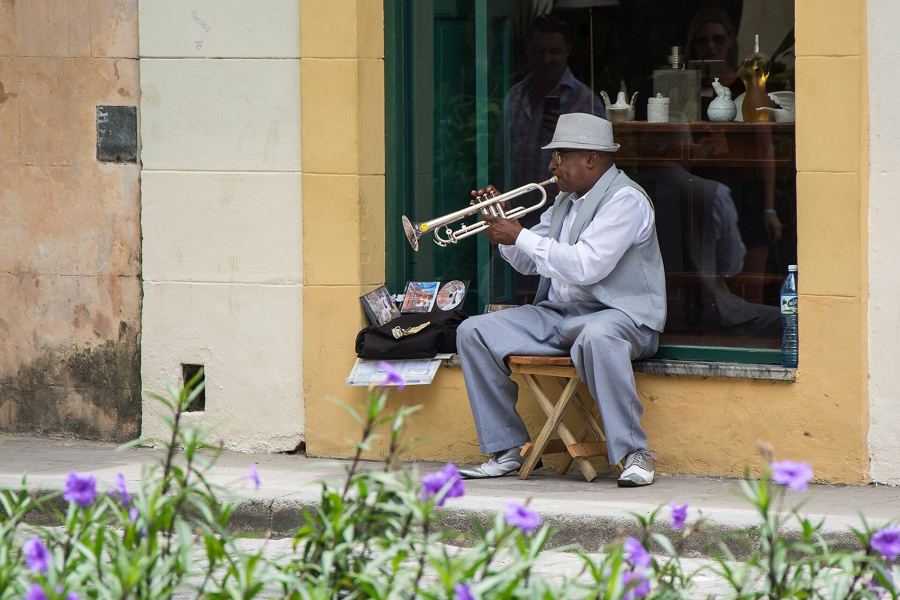 Flip it overSon, the sound under everythingPhoto: kuhnmi, CC BY 2.0
It is noisy, crowded and good-humoured, a very different scene from the quiet weekdays and the off-season, when you may have a long stretch of Santa María del Mar almost to yourself, with just the surf and the wind in the pines. Choose which version you want. For a listening trip, a weekday morning outside high summer offers the sound of the sea at its clearest; for the full social experience, go on a summer Sunday.
Guanabo, the town at the end
Guanabo is more town than beach resort. Behind the sand there are streets of low houses, small shops, places to eat run by families, and the everyday life of a seaside community. It is where many Cubans rent houses for a week in summer, and it feels lived-in in a way the more open beaches do not.
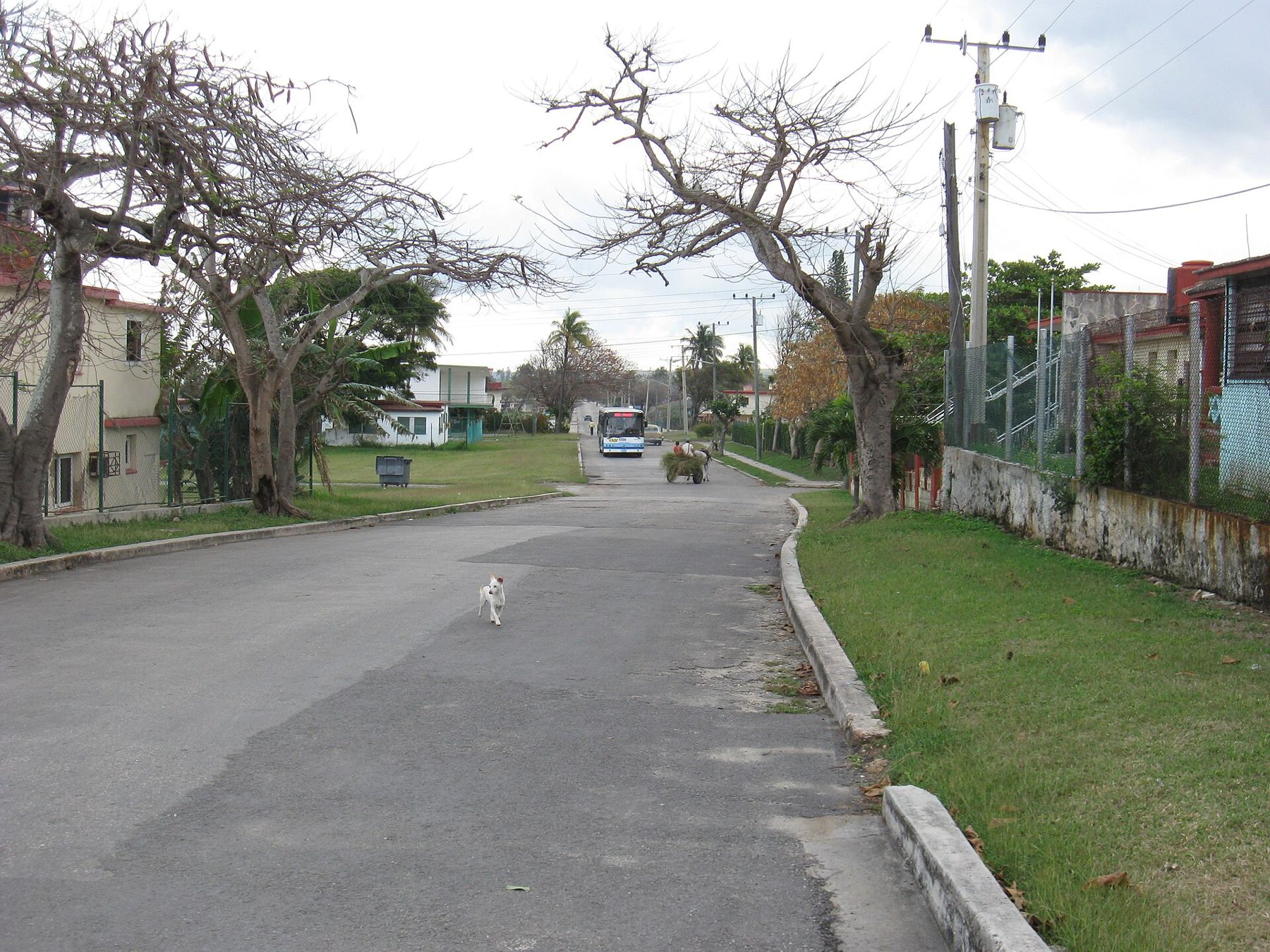
Walk a few blocks inland and the sound of the sea fades behind the noise of the streets: a bus pulling away, a horse cart, a dog, a neighbour's radio. Then walk back toward the water and the surf returns.
Getting there and back
The beaches are reached by the road that runs east from the harbour tunnel, the Vía Monumental, which then becomes the Vía Blanca along the coast. Ways of getting there include:
- Taxi: the simplest option; agree the fare before you set off, and arrange the return trip or confirm you can find one at the beach.
- Shared taxi: some almendrones run toward the eastern beaches from central Havana; ask locally.
- Bus: local buses serve the area but are often crowded. A seasonal visitor bus has run from central Havana in some years; check before you go.
The getting around guide explains how shared taxis and buses work in general. Allow plenty of time for the return in the late afternoon, when everyone else is going back too.
The pines and the dunes
Behind much of the sand, especially at Santa María del Mar, runs a belt of low dunes and casuarina pines, with sea grape bushes along the edge. The pines are where families set up for the day, because the shade is real and the breeze passes through. Their long needles make a soft hiss in the wind that sits under every other sound on the beach.
Further back, the beach towns are a mix of holiday houses, apartment blocks and ordinary homes, with water tanks on the roofs and gardens of palms and almond trees. The look is low-rise and a little worn, built for summer.
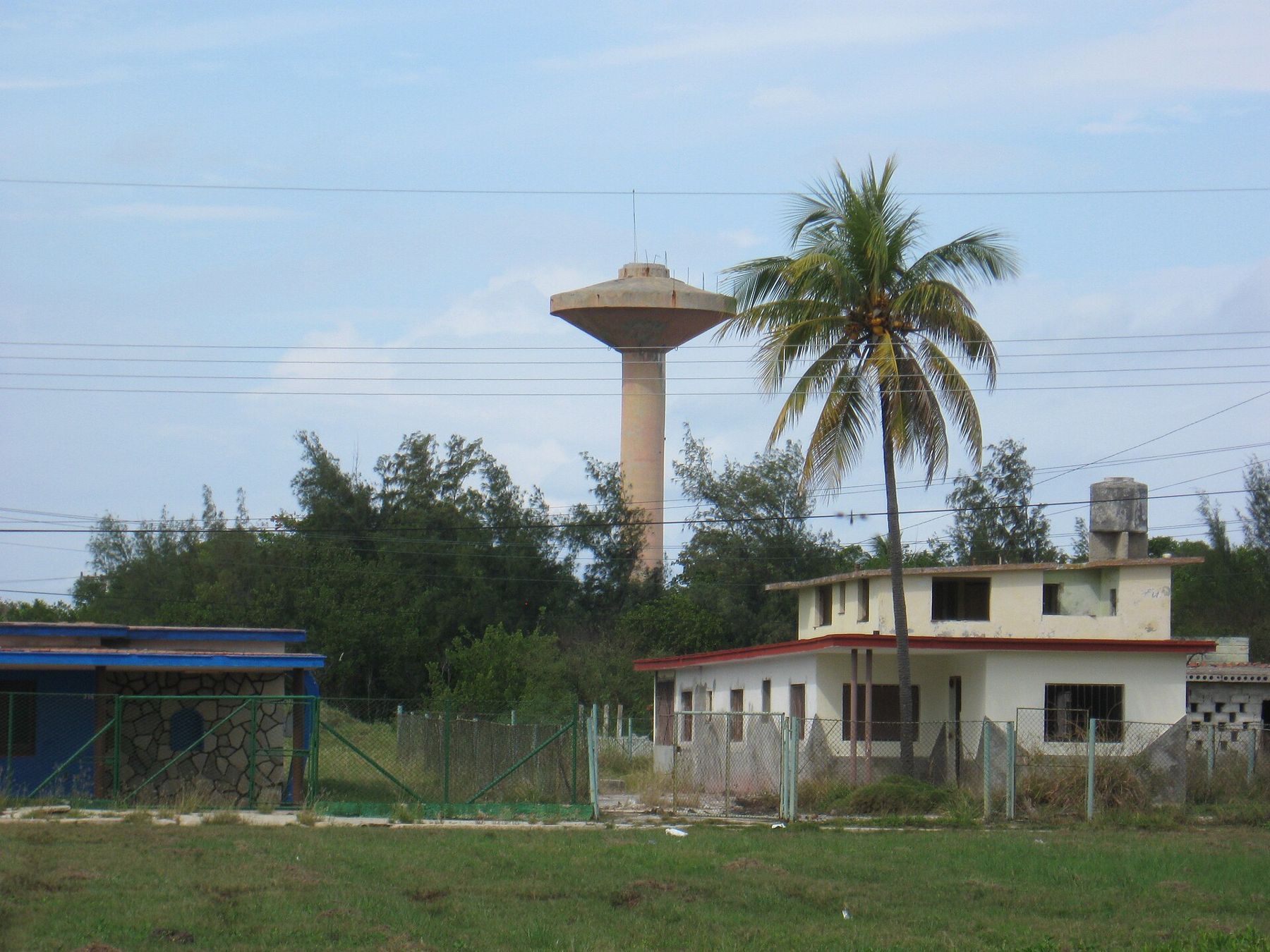
Dune plants hold the sand in place, so use the paths and boardwalks where they exist rather than cutting across.
What to bring
Services on the beaches are limited and change from season to season. Bring water, sunscreen, a hat, a towel, something to sit on and some snacks. Carry small amounts of local cash for drinks and loungers. Do not leave belongings unattended on the sand while you swim, and keep valuables to a minimum.
A beach day pairs well with a quieter evening back in the city. On the drive home, as the road passes near the fortresses at the harbour mouth, you are close to the nine o'clock cannon; and the Malecón at dusk is always there for the last of the light.